
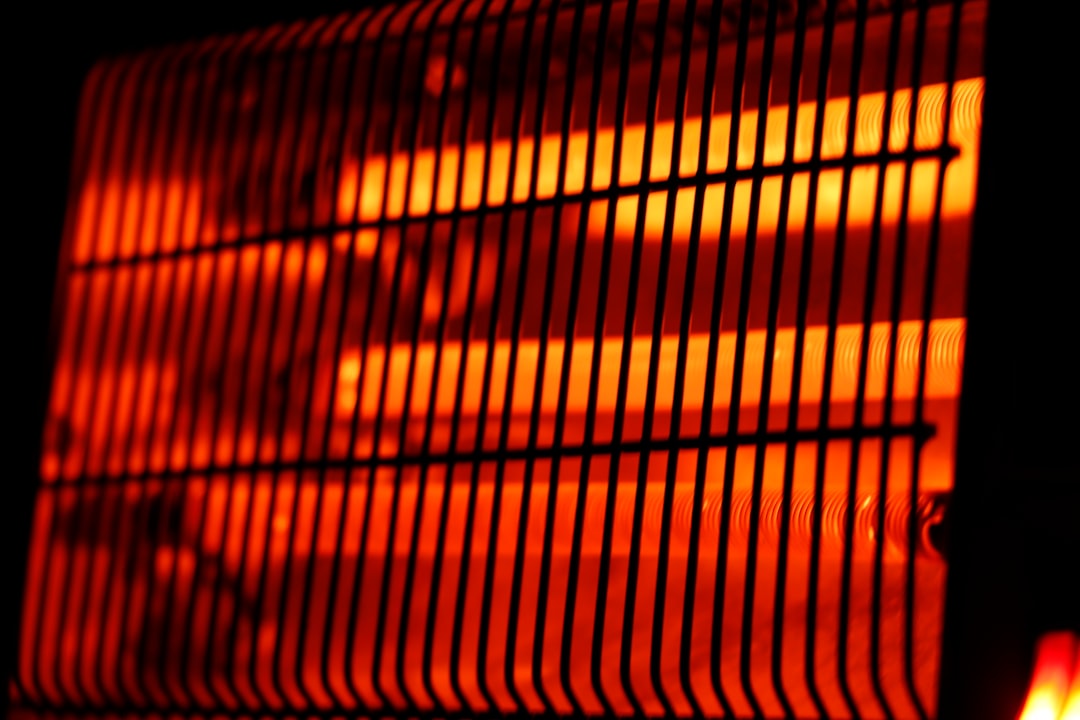

Why Wood Burners Make Financial Sense in the UK
With energy prices continuing to fluctuate and Ofgem’s price cap adjustments affecting millions of households, many UK homeowners are reconsidering their heating options. Wood burners have become increasingly popular as a cost-effective alternative to gas central heating, potentially saving you hundreds of pounds annually on your energy bills.
A quality wood burner can provide localised heating efficiently, reducing your reliance on expensive gas heating throughout your entire home. Whether you’re looking to supplement your existing heating system or switch entirely, understanding how to use a wood burner efficiently is crucial to maximising savings and comfort.
Choosing the Right Wood Burner for Your Space
Before investing in a wood burner, you’ll need to select the right model for your home’s size and layout. The heat output, measured in kilowatts (kW), should match your room dimensions. A burner that’s too small won’t heat effectively, whilst one that’s too large will waste fuel and money.
Look for wood burners with high efficiency ratings—typically between 80-90% for modern models. These comply with the latest UK building regulations and provide better value than older stoves. Budget-conscious homeowners should expect to spend between £1,500 and £4,000 for a quality burner, plus installation costs of around £500-£2,000, depending on chimney work required.
Consider models that are Defra-approved if you live in a smoke control area, as non-compliant burners can result in hefty fines. Check your local council’s regulations before purchasing.
Installation and Chimney Maintenance
Proper installation is essential for both safety and efficiency. Always hire a qualified HETAS-registered engineer to install your wood burner—this ensures compliance with UK building regulations and maintains your home insurance validity. Poor installation can reduce efficiency by up to 25% and create serious fire hazards.
Your chimney must be clean and well-maintained. Annual chimney sweeping costs around £60-£100 but prevents dangerous creosote buildup, which can cause chimney fires and significantly reduce heating efficiency. A blocked or partially blocked chimney forces your burner to work harder, consuming more wood whilst producing less heat.
Ensure your chimney has a proper draught. A professional engineer will check this during installation, but you can monitor performance by watching how easily your fire ignites and how blue the flames appear—blue flames indicate efficient combustion.
Sourcing the Right Fuel
Using the correct fuel dramatically impacts both efficiency and cost. Seasoned hardwood logs with moisture content below 20% are ideal—softwoods like pine produce excessive creosote and create more ash. Properly seasoned wood costs slightly more upfront but burns longer and hotter, ultimately saving money.
Expect to pay £80-£150 per cubic metre for quality seasoned logs, though prices vary significantly across the UK. Store logs in a dry location for at least 12 months before burning, as wet wood wastes fuel and creates dangerous smoke. Many homeowners find buying logs in spring or summer, when prices are lowest, makes financial sense.
Never burn household waste, treated wood, or compressed logs from unknown sources—these damage your burner and create dangerous fumes.
Optimising Your Burner’s Performance
Operating your wood burner correctly is fundamental to efficiency. Always open air vents fully when lighting the fire, then adjust them once flames establish to maintain steady combustion. Under-ventilated burners produce smoke, reduce heat output, and create carbon monoxide risks.
Fill your burner with dry wood and leave a small ash layer—approximately 1-2 inches—at the bottom. This insulates the grate and improves heat retention. Empty ash regularly, however, as excessive buildup blocks air flow and reduces efficiency.
Don’t leave doors open unnecessarily, as this releases heat into the room and disrupts draught. Use the built-in controls to regulate temperature rather than opening the door to cool things down.
Smart Heating Strategy to Reduce Bills
Wood burners work best as part of an integrated heating strategy rather than your sole heat source. Use your burner to heat your main living area during winter months, allowing you to reduce gas central heating usage significantly. This targeted approach cuts energy bills substantially whilst maintaining comfort in occupied spaces.
Complementary measures amplify savings further. Improve insulation by installing loft insulation (£200-£500 for typical homes), draught-proofing doors and windows (£100-£300), and ensuring radiators have reflective panels behind them. These measures prevent heat escaping and reduce your overall heating demand.
Thermostatic radiator valves (TRVs) enable you to heat specific rooms independently, preventing wasted energy in unoccupied spaces. Installing TRVs costs £100-£300 but recovers costs through reduced heating bills within the first winter.
Running Costs and Bill Savings
Calculating true running costs helps you understand potential savings. A typical household might spend £600-£800 annually on seasoned logs for a wood burner, heating a main living space effectively. Compare this against gas central heating costs: at current rates, heating an equivalent space with gas costs £1,000-£1,400 yearly.
Your actual savings depend on factors including your current energy tariff, home insulation standard, and usage patterns. Many UK homeowners using wood burners alongside optimised gas heating report annual savings of £300-£600 on energy bills—money that quickly recouups installation investment.
Environmental Considerations
When burning seasoned hardwood sustainably sourced from UK suppliers, wood burners represent a carbon-neutral heating option. Wood is a renewable resource, and burning it releases no more carbon than the tree absorbed during growth. This contrasts with gas heating’s continued fossil fuel dependence.
However, only use properly seasoned, sustainably sourced logs to maintain environmental credentials. Burning wet or treated wood increases emissions significantly.
Final Thoughts
Wood burners offer practical, cost-effective heating solutions for UK homeowners seeking to reduce energy bills and increase independence from fluctuating gas prices. With proper installation, maintenance, and operation, you’ll enjoy reliable heating whilst recouping your investment through genuine savings.
Take action today: contact HETAS-registered engineers for quotes, research fuel suppliers in your area, and calculate potential savings based on your current energy tariff. Whether supplementing existing heating or embracing wood burner technology fully, you’re investing in your home’s efficiency and your wallet’s health.


0 Comments