

Understanding the Cost Comparison
When considering heating upgrades for your home, the question of underfloor heating versus radiators is one that many UK homeowners grapple with. The short answer is: it depends on several factors, but underfloor heating can potentially be cheaper to run in certain circumstances, though the upfront costs are significantly higher.
The heating landscape in the UK has changed considerably in recent years, particularly with energy prices becoming a genuine concern for households. According to Ofgem’s latest price cap data, the average UK household spends around £1,900 annually on heating. Understanding which heating system offers the best value requires examining both operational efficiency and real-world running costs.
How Underfloor Heating Works
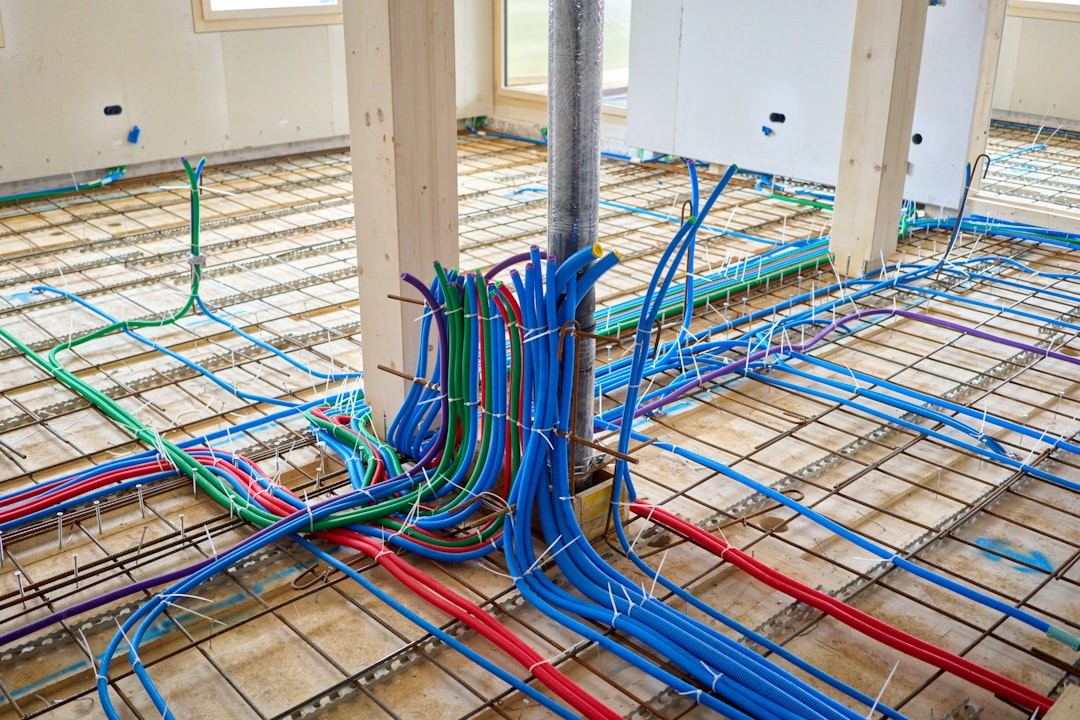
Underfloor heating systems distribute warmth evenly across floor surfaces, either through water pipes (wet systems) or electric cables (dry systems). The key advantage is that heat rises naturally, creating a more uniform temperature distribution throughout your space compared to radiators, which create hot spots directly around the unit.
Electric underfloor heating typically operates at lower temperatures (around 40-50°C) compared to traditional radiator systems (60-70°C). This fundamental difference can lead to energy savings, as less heat energy is required to maintain comfortable room temperatures.
Running Costs: The Real Figures
Let’s examine the practical running costs. A typical UK home with radiators might spend around £1,200-£1,500 annually on heating, depending on insulation, size, and usage patterns. With underfloor heating, this figure can potentially drop by 10-15% in optimally insulated properties.
However, these savings assume several conditions: excellent building insulation, lower thermostat settings (you can often run underfloor heating 2-3 degrees lower whilst maintaining comfort), and efficient systems. In poorly insulated older properties, the savings margin shrinks considerably.
The efficiency advantage of underfloor heating stems from radiant heat distribution. Rather than warming the air first (which rises and escapes), underfloor systems warm objects and people directly, reducing the temperature needed for comfort. This efficiency gain typically translates to 10-15% energy savings, though real-world results vary significantly.
Installation and Capital Costs
Here’s where underfloor heating becomes considerably less attractive financially. Installation costs typically range from £4,000-£8,000 for a whole-house system, whilst radiator replacements or upgrades cost £1,500-£3,000. This substantial upfront investment means you’d need to run the system for many years to recoup costs through operational savings.
For a typical three-bedroom UK home, you might save £150-£250 annually through reduced running costs. This means your payback period could extend 20-30 years, depending on energy price movements and installation quality. That’s beyond the typical lifespan of heating components for many homeowners.
Factors That Affect Your Decision
Property Type and Insulation
Well-insulated modern properties benefit most from underfloor heating. If your home has solid walls, poor loft insulation, or single-glazed windows, your heating system efficiency matters far less than addressing these fundamental issues first. Energy-efficient homes see the best returns from underfloor heating investments.
Age and Condition of Existing Radiators
If your radiators are 15+ years old and showing signs of wear, replacing them might be scheduled anyway. In this scenario, the capital cost difference between new radiators and underfloor heating becomes more relevant to your decision-making process.
Renovation Timing
Installing underfloor heating during major renovations is significantly cheaper than retrofitting later. If you’re already planning floor replacements, considering underfloor heating makes financial sense, as labour costs represent a substantial portion of the installation expense.
Hybrid Systems: The Practical Middle Ground
Many UK homeowners overlook hybrid systems combining underfloor heating with radiators. Using underfloor heating for living spaces and radiators for bathrooms and bedrooms can offer cost-efficiency without the massive upfront investment. This approach typically costs 30-40% less than full underfloor heating systems whilst still capturing many efficiency benefits.
Impact of Your Energy Tariff
Your specific energy supplier and tariff significantly influence actual savings. If you’re on an expensive standard variable rate, switching to a fixed-rate deal or comparing suppliers through Ofgem-regulated comparison tools could save £200-£400 annually—potentially negating the heating system efficiency advantage entirely.
For electric underfloor heating specifically, your electricity rate matters disproportionately. If your supplier charges premium rates, efficiency gains shrink. Conversely, customers with Economy 7 tariffs might benefit from night-storage heating patterns that suit underfloor systems well.
Making Your Decision
Consider underfloor heating if:
- You’re undertaking major renovations involving floor replacement
- Your home is well-insulated with modern standards
- You plan to remain in your property 20+ years
- You’re building a new home where comparative costs are lower
- You can afford the upfront investment without impacting other home improvements
Stick with radiators if:
- Your property has poor insulation needing urgent attention first
- Your radiators are relatively new and functioning well
- You need flexibility for future modifications
- You’re renting or may relocate within 10-15 years
- Upfront costs would compromise other essential improvements
Maximising Savings Either Way
Regardless of your heating system, proper maintenance and smart usage matter enormously. Bleed radiators annually, install thermostatic radiator valves, use programmable thermostats, and maintain your boiler through annual servicing. These interventions cost relatively little but can save 15-20% on heating costs.
Similarly, improving insulation—loft insulation, draught-proofing, and radiator foil panels—offers better value than heating system replacement for most UK homes.
Final Thoughts
Underfloor heating isn’t inherently cheaper to run for most UK homeowners when considering the complete financial picture. Operational savings of 10-15% rarely justify the £4,000-£8,000 additional upfront cost, particularly given heating system longevity of 15-25 years.
However, if you’re planning comprehensive renovations, already budgeting for new heating anyway, or seeking maximum comfort with lower energy consumption, underfloor heating deserves serious consideration. For most households, maximising radiator efficiency and addressing insulation gaps offers superior financial returns.
Ready to reduce your heating bills? Start by comparing energy suppliers using Ofgem-regulated comparison tools—many UK households can save £200-£300 annually simply by switching. Don’t spend thousands on heating upgrades before optimising your current tariff.



0 Comments