
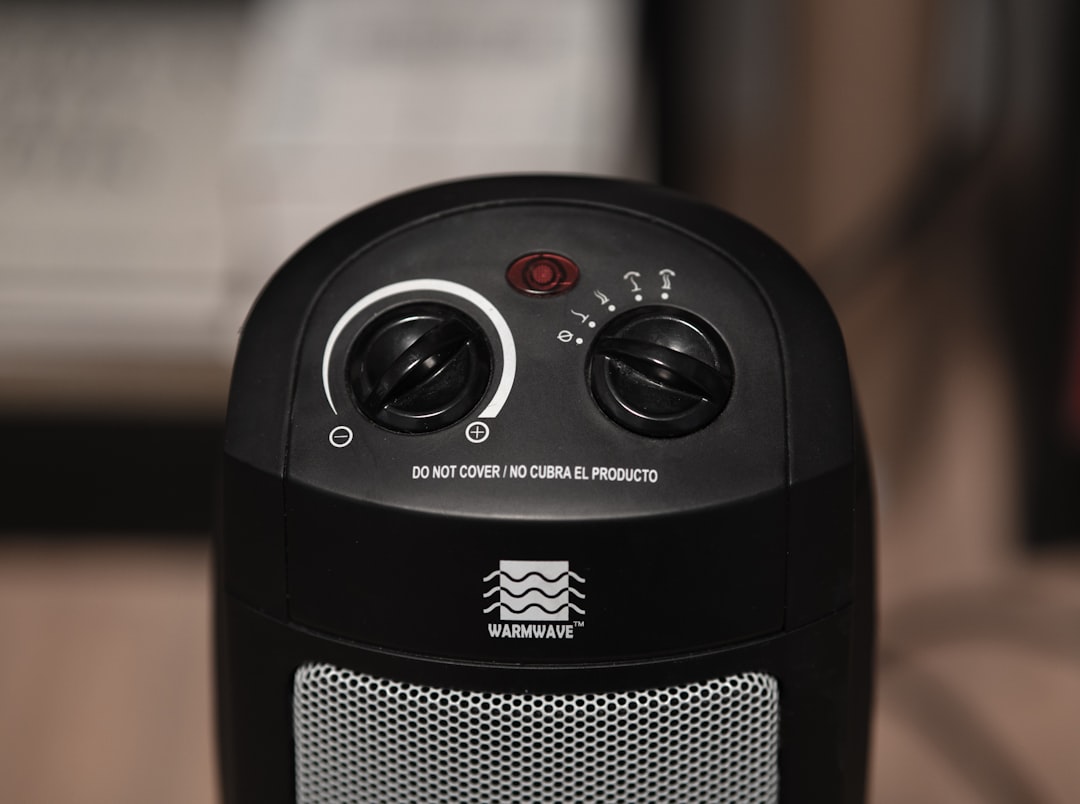

Understanding Energy Efficiency in Portable Heaters
As energy bills continue to climb across the UK, many households are exploring alternative heating solutions. Portable heaters have become increasingly popular, particularly for heating individual rooms rather than running central heating throughout your entire home. However, not all portable heaters are created equal when it comes to energy efficiency.
The key to choosing an energy-efficient portable heater lies in understanding wattage, heat output, and how these devices actually consume electricity. Most portable heaters operate between 750W and 2000W, and here’s an important fact: they consume almost exactly what they’re rated at in electricity. A 1500W heater running for one hour uses 1.5 kilowatt-hours (kWh) of electricity. At current UK energy prices averaging around 24p per kWh, this costs approximately 36 pence per hour to run.
The real efficiency gains come from smart usage rather than the heater itself being “more efficient” than competitors. This is where strategic deployment of the right portable heater becomes crucial for your energy bills.
Infrared Heaters: The Most Efficient Option
Infrared heaters are widely regarded as the most energy-efficient portable heating solution available. Unlike traditional fan heaters that warm the air around them, infrared heaters emit radiation that directly heats objects and people in their path, similar to how sunlight warms you on a cold day.
This direct heating method means less wasted energy and faster perceived warmth. Most people feel comfortable in a room heated by infrared heaters at lower temperatures than with conventional heaters, potentially reducing your running time and electricity consumption. Quality infrared heaters typically cost between £40 and £150, with mid-range options around £60-80 offering excellent value.
Look for infrared heaters with adjustable thermostats and multiple heat settings (usually 750W and 1500W modes). The thermostat feature is particularly important because it means the heater cycles on and off to maintain your desired temperature, rather than running continuously.
Oil-Filled Radiators: Steady, Reliable Heat
Oil-filled radiators are another energy-efficient choice, particularly for sustained heating needs. These heaters contain thermal oil that heats up and retains warmth exceptionally well. Once heated, they continue radiating warmth even after switching off, meaning you get additional heating without consuming extra electricity.
Whilst oil-filled radiators take longer to heat a room initially compared to fan heaters, they excel at maintaining comfortable temperatures over several hours. They’re particularly suitable for bedrooms where you might run them for extended periods. Prices range from £30 to £100, making them an affordable investment.
The main disadvantage is their weight and bulk, making them less portable than lighter alternatives. However, most come with wheels for easy movement between rooms.
Smart Features That Save Money
Modern portable heaters increasingly include smart features designed to reduce energy consumption:
- Programmable thermostats: These automatically cycle heating on and off, maintaining your desired temperature without constant manual adjustment
- Eco mode: Reduces wattage to 750W whilst maintaining warmth, cutting electricity consumption by 50%
- Timer functions: Allow you to schedule heating for specific times, preventing accidental all-night running
- Remote controls: Enable you to adjust or switch off heating without leaving your seat
- Motion sensors: Some premium models detect room occupancy and adjust accordingly
When selecting a portable heater, prioritise models with adjustable thermostats above all else. This single feature can reduce energy consumption by 20-30% compared to heaters without temperature control.
Calculating Your Heating Costs
Let’s put numbers to practical scenarios. If you run a 1500W heater for 8 hours daily at current prices:
- Daily cost: 12 kWh × 24p = £2.88
- Monthly cost: approximately £86.40
- Annual cost: approximately £1,051
By switching to 750W eco mode, you’d halve these figures. Using a heater with thermostat control in a well-insulated room might reduce actual running time by 40%, bringing annual costs closer to £630.
Compare this to your central heating bills, but remember that portable heaters are most cost-effective when heating individual rooms, not your entire home.
Maximising Portable Heater Efficiency
Beyond choosing the right heater, how you use it dramatically impacts energy consumption:
- Insulate properly: Close doors to the room you’re heating and use heavy curtains to retain warmth
- Use in smaller spaces: Portable heaters excel in single rooms, bedrooms, or home offices. Heating large open-plan spaces is inefficient
- Lower main heating: If using a portable heater in one room, reduce your central heating temperature by 1-2 degrees elsewhere
- Maintain clear surroundings: Don’t block heater vents with furniture or soft furnishings, which reduces efficiency and poses fire risks
- Check for draughts: Seal gaps under doors and around windows to prevent heated air escaping
- Regular maintenance: Clean heater filters and vents regularly to maintain optimal performance
Top Recommendations for UK Buyers
For best results, consider these types: ceramic heaters (compact and effective at around £25-50), convector heaters (good for continuous mild heating), and the aforementioned infrared and oil-filled options. Check Ofgem’s energy saving guidance and look for heaters with SAP (Safety and Performance) certification.
Avoid extremely cheap heaters under £15, which often lack thermostats and safety features. Mid-range options (£40-80) offer the best balance of efficiency, features, and reliability.
The Bottom Line
Portable heaters can be genuinely cost-effective for targeted room heating, but only when chosen wisely and used strategically. Infrared and oil-filled heaters with thermostat control represent your best options for energy efficiency. Combined with proper insulation and sensible usage patterns, a portable heater could reduce your overall heating bills significantly compared to running central heating throughout your home.
Remember that even the most efficient portable heater costs roughly 36p per hour to run at full power. The real savings come from strategic use in smaller spaces during specific times.
Take Action Today
Ready to reduce your energy bills? Start by assessing which rooms you genuinely need heated throughout the day and which could benefit from targeted portable heating. Invest in a quality infrared heater with thermostat control in the £50-80 range, then monitor your electricity usage over the next few weeks. Compare your bills with previous months to quantify your savings. If you haven’t reviewed your energy tariff recently, now’s the perfect time—switching suppliers could save £200-300 annually alongside your heating optimisations. Visit comparison websites to find the best deals for your usage patterns, and remember to check Ofgem’s latest guidance on energy savings. Small changes to how you heat your home can deliver substantial financial benefits throughout the year.


0 Comments